
Canary Islands to Mediterranean.
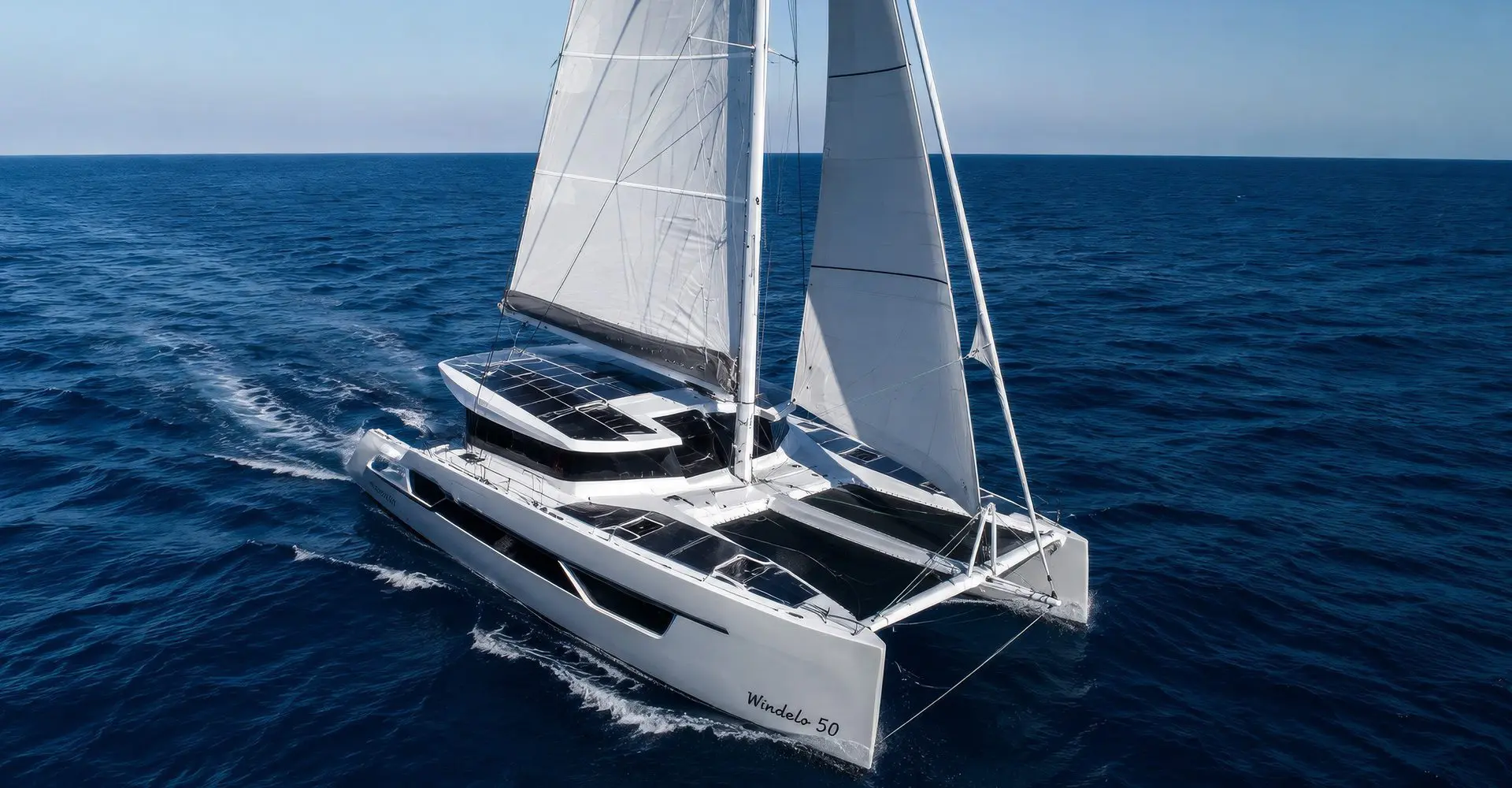
The passage north. Harder than it looks on a map.
The northbound route from the Canary Islands to the Mediterranean is not a mirror image of the autumn run south. The wind is less predictable, the routing requires more thinking, and the conditions off the Portuguese coast and through the approaches to the Strait of Gibraltar can be demanding.
That makes it a better passage for sailors who want to develop their routing and decision-making skills. The southbound route teaches you offshore rhythm. The northbound route teaches you how to read and respond when the sea does not cooperate.
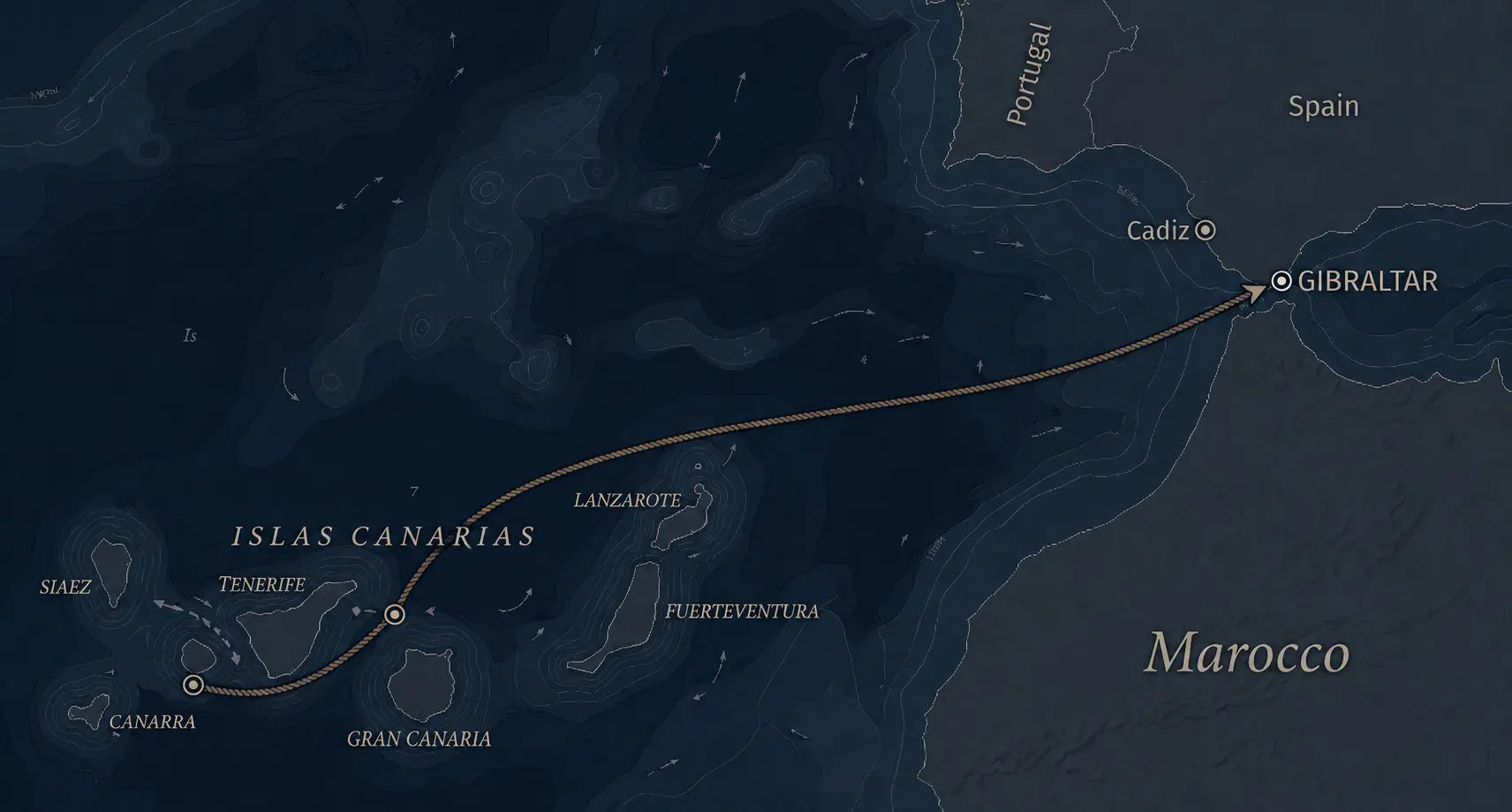
Departure is from Las Palmas de Gran Canaria, typically in late February or March to use the improving spring weather. Arrival is on the Spanish Mediterranean coast — Valencia or the Balearics, depending on the season's programme.
The northbound passage typically takes longer than the southbound run. Wind against the direction of travel, variable conditions off the Portuguese coast, and the Strait of Gibraltar approaches all add days. We plan for this — not against it.
Life on passage
Leaving Las Palmas northbound means planning carefully. The first routing decision — how far west to go before heading north — sets the tone for the whole passage. You will be part of that decision from the morning before departure.
The passage north involves more upwind and close-reaching work than the autumn run. Swell from the north-west, variable trade wind edges, and the need to think several days ahead about what the weather is doing. This is where tactical routing at sea becomes real.
The final third of the passage — running up the Portuguese coast and approaching the Strait of Gibraltar — requires attention. Shipping traffic, wind acceleration in the approaches, and the tidal gate of the Strait itself. The coach works through these with you in real time.
Entering the Mediterranean after a northbound Atlantic passage is a different kind of arrival. The debrief focuses on the routing decisions made en route — what worked, what you would change, and what the passage has prepared you for next.
What the coach focuses on
Tactical routing
Multi-day routing when the forecast is uncertain. How to position the boat for what is coming, not just what is showing now. This passage demands more routing thinking than the southbound run — which is precisely its value.
Upwind and close-reaching offshore
The northbound passage involves more work to windward than the autumn run. Sail trim, boat speed, and comfort management in confused swell — different skills from downwind passage-making.
Weather pattern reading
The Atlantic in February and March is not the steady trade wind environment of November. Reading and responding to variable patterns is a core skill this passage develops.
Watch management under fatigue
Longer passages mean more accumulated fatigue. The coach works on watch handover quality, decision-making when tired, and the habits that keep a passage safe when you are not at your sharpest.
Strait of Gibraltar passage
Timing a tidal gate, managing wind acceleration in a confined approach, and the high traffic density of the Strait. A practical seamanship challenge at the end of a long offshore leg.
Post-passage systems review
What the boat has done over 1,000 offshore miles: energy systems, sail wear, mechanical items to check. Understanding the boat's condition after a serious passage is part of passage-making competence.
What’s included.
What’s not.
Included
- All meals and provisions aboard
- Coaching throughout the passage
- Fuel and marina fees en route
- Safety equipment and offshore kit (boat-side)
- Arrival logistics brief
Not included
- Flights to Las Palmas and from arrival port
- Personal foul weather gear and harness
- Crew visa requirements (non-EU sailors: check in advance)
- Travel insurance (required)
- Drinks beyond what is provisioned
Common questions
Interested in this passage?
Tell us your sailing background, whether you have done the southbound run, and your timing. We will confirm current availability and give you a straight answer on whether this passage is the right fit.